


Top 5 Lead Generation Strategies That Actually Work in China
If you’re an industrial company say, in automation, machinery, electronics, or engineering — and you want to win Chinese B2B clients, the first thing to understand is this:
👉 China’s B2B world runs on trust, visibility, and relationships : not cold emails.
Having lived and worked here for several years, I’ve seen dozens of Western firms try to “copy-paste” their usual lead gen playbook into China. Most fail, not because their product isn’t good, but because they’re invisible in the local digital ecosystem.
Instead of Spaming…here’s what actually works. 😉
1. Be Visible Where Chinese Engineers and Buyers Look — Baidu SEO & PPC
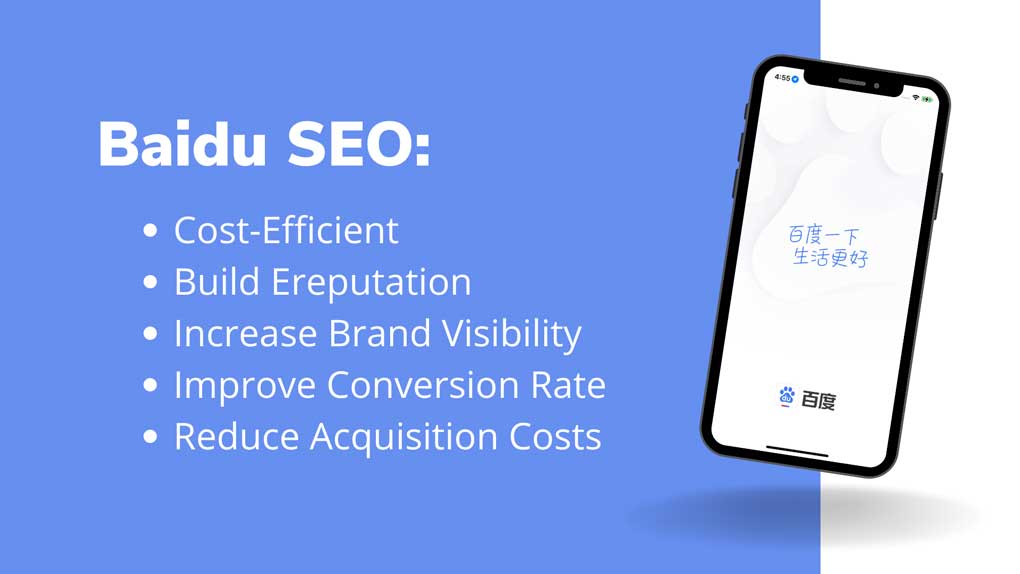
Forget Google : it’s blocked. In China, Baidu (百度) is the main search engine, and it’s where decision-makers start their research for industrial products, suppliers, or technology solutions.
✅ What to Do:
- Build a Chinese-language website hosted in China (or at least Hong Kong) — fast loading and compliant with the firewall.
- Invest in Baidu SEO and PPC ; yes just like Google Ads, but with Chinese-language keywords.
- Include technical datasheets, certification info, and case studies — Chinese engineers love concrete proof.
Why it works: “Chinese B2B buyers research first and contact later. If they can’t find you on Baidu, you simply don’t exist.” explain Expert in Electronic Solution Aventech.
2. Leverage WeChat , The Core of Chinese B2B Communication
WeChat isn’t just for chatting; it’s China’s LinkedIn + WhatsApp + Email + Website rolled into one. Every professional uses it daily.

✅ What to Do:
- Create a WeChat Official Account (企业公众号) for your company.
- Share case studies, technical news, factory updates, and trade show participation.
- Use Mini Programs or PDF brochures for product catalogs and quotations.
Pro tip: Once you meet someone at a trade show or through a partner, they’ll add you on WeChat — not by email. That’s where deals are nurtured.
3. Participate in Local Trade Shows & Industrial Fairs
Yes… it is…Chinese B2B buyers still value face-to-face trust — even more so for high-tech or industrial goods. Trade shows remain one of the strongest channels for serious lead generation.
✅ What to Do: 🙂
- Exhibit at targeted industrial expos like CIIE (China International Import Expo), Canton Fair, Industrial Automation China, or ChinaPlas (for plastics).
- Partner with a local representative to manage language and logistics.
- Promote your participation beforehand on WeChat and Baidu to attract visitors.
Why it “can” works: In China, meeting in person = credibility. Once someone shakes your hand, they’re far more likely to buy.
4. Use Chinese B2B Platforms & Directories
Chinese professionals often look for suppliers and partners through domestic B2B marketplaces — not Western ones like LinkedIn or Alibaba.com (though Alibaba still helps).
✅ Top Platforms:
- 1688.com (Alibaba’s domestic platform) — for manufacturers and component suppliers.
- Made-in-China.com — known for higher-end B2B export visibility.
- 慧聪网 (HC360) and B2B.baidu.com — niche Chinese directories for industrial buyers.
Why it works: Many engineers and purchasing managers browse these sites weekly for sourcing and tenders.
5. Build Thought Leadership via Chinese Social Media (Douyin, Zhihu, Bilibili)
Don’t underestimate content marketing in China — it works differently, but it’s powerful. Chinese professionals love seeing how things work.
✅ What to Do:
- Post short videos on Douyin (TikTok China) showing your machines, installations, or production process.
- Publish technical Q&A or expert insights on Zhihu (知乎) — China’s version of Quora, popular among engineers and business professionals.
- Use Bilibili to share in-depth technical demos or case studies — it’s a favorite among younger professionals.
Bonus Tip: Build Local Partnerships
If you’re serious about the market, consider finding a local sales rep, distributor, or service partner. Many Chinese clients prefer having a local contact who speaks their language and can handle after-sales issues quickly.
Combine that local presence with digital visibility, and your lead generation will multiply fast.
🎯 Philip Chen CEO GMA
The biggest mistake foreign B2B firms make here is thinking “product quality sells itself.” It doesn’t visibility and trust sell first. Once Chinese buyers trust you, they’ll buy in volume.
In my experience, the firms that succeed do three things right:
- Speak the language (literally and digitally).
- Show their expertise through local channels.
- Build real relationships instead of chasing quick deals.
If you can do those, China’s industrial B2B market is a goldmine