


Hello dear readers, having lived and worked in China for several years, I’ve seen firsthand how Chinese investors approach overseas real estate. It’s not just about buying a house abroad , it’s about safety, prestige, and long-term stability. The Chinese property market at home is uncertain right now, but the appetite for overseas property is far from gone. In fact, it’s shifting.
Contact us Now
🌍 Top Destinations for Chinese Real Estate Buyers
Chinese investors still prefer countries that offer a mix of stability, education, and lifestyle appeal. The top destinations haven’t changed much, but motivations have evolved.
- Australia – Sydney, Melbourne, and Brisbane remain favorites. Clean air, strong schools, and a familiar Chinese community make it feel “safe.”
- Canada – Vancouver and Toronto attract buyers who want a mix of investment and migration opportunities.
- United Kingdom – London is the classic pick, but cities like Manchester and Birmingham are gaining traction for better yields.
- Thailand – A hot favorite for vacation homes and retirement properties. Bangkok, Phuket, and Chiang Mai see steady demand.
- Singapore & Malaysia – Strong infrastructure, education, and cultural familiarity (Mandarin-friendly environment).
- Mauritus Island – A hot favorite for Honeymoon and lot of luxury villas.
- Dubai UAE because dubai is a growing economy.
Lately, there’s also growing curiosity about Portugal, Spain, and Saudi Arabia for their investment visas and lifestyle balance.
🏠 What Chinese Investors Like to Buy??
Good question.

Read this 😉 Chinese buyers tend to be practical, family-focused, and long-term in their real estate choices.
Here’s what they prioritize:
- Apartments in good school districts (education is a major driver).
- Properties in city centers — easy to rent, easy to manage.
- New developments with amenities — they value modern design, security, and facilities.
- Branded or developer-backed projects — a trusted name goes a long way.
- Residences near universities — perfect for children studying abroad.
Luxury villas and resort properties also attract attention, but the trend now is more about “secure returns” than flashy status. explained Kezia Immobilier Mauritus.
🧾 What They Check Before Buying ?
Chinese investors are extremely cautious. Here’s what they scrutinize:
- Reputation of the developer – They will check online forums, reviews, and social media. A single negative rumor can ruin a deal.
- Legal safety – Clear title, ownership rights, and government policies for foreigners.
- Rental yield & resale potential – They want to know it’s not just a lifestyle purchase, but also a smart investment.
- Tax structure & hidden costs – Transparency matters.
- Accessibility & transport – Proximity to metro, schools, hospitals, and airports adds trust.
From what I’ve seen, Chinese buyers research heavily online before even talking to an agent. They prefer seeing others’ experiences first , yes they trust word-of-mouth and peer validation far more than sales pitches. Read more
🔍 How They Search & Get Information
Chinese investors don’t rely on Google or Facebook — those are blocked in mainland China. They use local digital ecosystems to research, read reviews, and connect with real estate agents.
Here are the Top 5 Platforms & Websites they use:
- Baidu (百度) – China’s main search engine. They’ll use it like Google to find developers, agents, and property news.
- WeChat (微信) – The all-in-one app for messaging, news, payments, and property promotion. Developers often run official accounts and mini programs for listings.
- Xiaohongshu (RED 小红书) – Popular among younger investors and women. Lifestyle-driven posts often showcase overseas living and property tours.
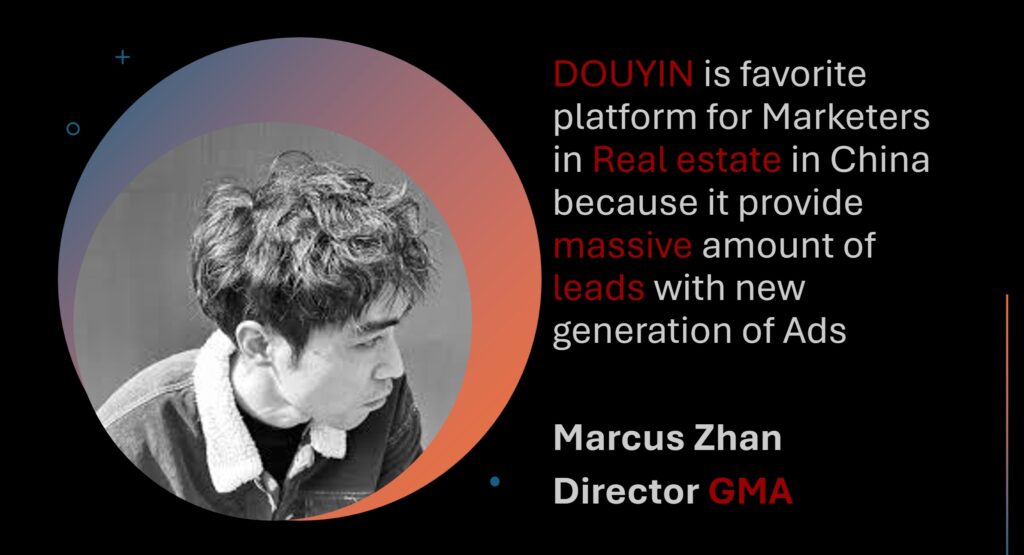
- Douyin (抖音) – Short videos and livestreams of property tours are becoming a trend. Many agents now use Douyin to show apartments virtually.
- Juwai / Fang.com / 58.com – Specialized Chinese-language property portals that list overseas homes. Juwai (居外网) is particularly known for foreign property listings.
They also rely heavily on WeChat groups, private investor circles, and KOL (influencer) recommendations. Personal networks and word-of-mouth still carry more weight than official ads. They Check Douyin a lot.
💬 My Take (Philip Chen CEO GMA°)
Chinese investors are cautious, but not afraid to spend — if they trust you.
To attract them, foreign developers must focus on reputation, transparency, and local understanding. Translate your materials into Mandarin, show real stories, and be active on Chinese platforms not just your English website.
And remember: selling to Chinese investors isn’t about shouting “Buy now!” it’s about building a relationship. Once they trust you, they’ll buy and tell ten others to do the same.
In my opinion, the next big wave isn’t about luxury penthouses anymore, it’s about smart, stable, family-focused investments — and those who build credibility online will lead that wave.